

10 tips for organising a successful meeting
Limbricht Castle Estate


Organising a meeting is about more than just picking a date and booking a room. After all, it requires a lot of preparation, structure and planning. And certainly do not forget the atmosphere of the meeting venue, which is just as important. After all, inspiring locations can contribute to new insights and deeper discussions. The organisation should therefore certainly not be underestimated. To help you organise a successful meeting, we have put together 10 valuable tips for you. If you take these tips to heart, you really cannot go wrong.
The importance of organising a successful meeting
Organising a successful meeting is of great importance. Not only because it provides direction for decisions and promotes collaboration, but also because it allows you to arrive at new insights. When a meeting is well prepared and runs in a structured manner, you can make the most of it. From clear insights to concrete results, you will not need to hold meetings unnecessarily often if you organise it well. This not only prevents frustration, ambiguity and unnecessary follow-up meetings, but also contributes to a productive working atmosphere. Participants will feel heard and valued.
10 valuable tips for organising a meeting
To help you organise a successful meeting, we have put together around ten tips for you. These tips provide insight into everything involved in the organisation. They will also help you to think about elements that might be more important than you thought.
1. Determine the purpose of the meeting
Every good meeting starts with a clear objective. For example, would you like to share information, make decisions, or brainstorm new ideas? By determining the objective in advance, you can tailor the agenda and attendee list accordingly. This prevents unnecessary discussions and ensures that everyone present knows what is expected of them.
2. Draw up a clear agenda
To be effective meetings a clear and structured agenda is extremely important. State the topic, the person responsible and the required time for each agenda item. Also ensure that you send out the agenda well in advance to all participants. This way they can prepare and provide relevant input. In addition, it will ensure that the meeting itself runs more efficiently, because everyone is aware of what is going to be discussed.

3. Choose the correct meeting setup
The layout of the meeting room influences the interaction and dynamics of the meeting. Therefore, choose the layout that suits the purpose of your meeting. Here are some commonly used layouts and the purpose for which they are used:
- U-shapeThis layout is ideal for interactive presentations. It allows the speaker to easily connect with all participants.
- Theatre-style seatingthis is suitable for larger groups where listening is central; interaction is minimal.
- Boardroom layoutthis layout encourages discussion and collaboration in smaller groups.
- Theatre-style seatingthis stimulates group discussions and is suitable for workshops, for example.
- Boardroom layoutwith this layout, all participants can see each other. This encourages discussion and interaction.
- Classroom layoutThis setup is useful for training sessions where participants take notes, but a lot of interaction is not necessary.

4. Ensure the correct location and facilities
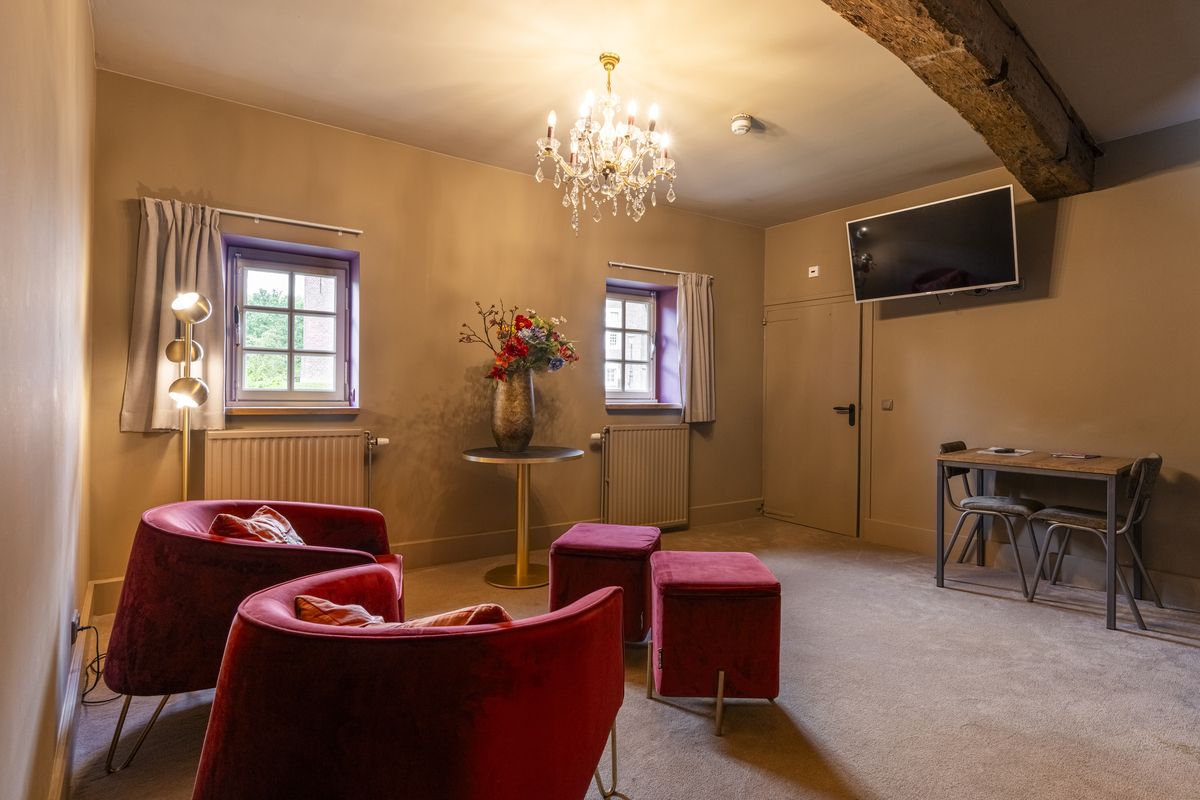
A pleasant and well-equipped meeting room contributes to the productivity of your meeting. When choosing the location, pay particular attention to factors such as adequate daylight, good acoustics and ergonomic furniture. Also ensure the necessary technical facilities, such as a projector, flip chart and stable internet connection, are in place. This ensures that the meeting runs much more smoothly.
5. Assign roles
A clear division of roles prevents confusion and increases efficiency. Important roles include a chair, minute-taker, timekeeper and technical lead. This ensures there is someone to lead the meeting, someone to take notes, someone to keep an eye on the time, and someone to make sure the technology works optimally. This prevents unnecessary problems from arising during the meeting or certain topics taking too long.
Start and finish on time
Respect participants' time by starting and ending the meeting promptly. This encourages discipline and ensures everyone stays focused. Schedule enough time per agenda item, but be flexible enough to respond to the dynamics of the discussion.
Encourage active participation
Actively involve all participants in the meeting. Ask open questions, encourage discussions, and give everyone the opportunity to share their opinion. This increases engagement and leads to better decision-making.
8. Schedule breaks in
Especially during longer meetings, it is important to schedule short breaks regularly. This gives participants the opportunity to relax for a moment. Ultimately, this benefits concentration and productivity. After all, everyone is refreshed again after a break and new insights may emerge. For example, go together a walk or even sit outside in the sun.
9. Provide a light and healthy lunch
A nutritious lunch keeps everyone's energy levels up and prevents the well-known afternoon slump. Choose light, fresh dishes that are not too heavy on the stomach, so that participants remain alert during the afternoon hours. Choose to hold the lunch in a different location than the meeting room. This has the same benefits as mentioned in tip 8. Enjoy going outside on the terrace have lunch and enjoy the sunshine. This way everyone can recharge for a bit and you can continue your meeting productively afterwards.

10. Evaluate the meeting
Conclude the meeting with a short evaluation. Ask participants for feedback on the content, structure and facilities. This provides valuable insights to make future meetings even more effective.
By applying the above tips, you will lay a good foundation for meetings that are not only efficient, but also contribute to a positive and constructive working atmosphere. Organising a successful meeting should therefore truly not be underestimated. Good luck with the organisation!
Have a look at our blog about the successfully organising a staff party!